

A Transformative Year for Produce Packaging
The moisture absorbent pad industry is experiencing unprecedented transformation in 2026, driven by converging forces of regulatory pressure, consumer behavior shifts, and technological breakthroughs. For producers of berries and microgreens, understanding these market dynamics isn't just about staying competitive—it's about survival in an increasingly demanding marketplace.
The Regulatory Wave: Compliance Becomes Competitive Advantage
New food safety regulations across North America and Europe are fundamentally changing packaging requirements. The FDA's updated guidance on moisture management in fresh produce packaging, effective Q2 2026, mandates stricter controls on bacterial growth prevention. Producers using certified moisture control solutions are seeing 30% faster approval times for retail partnerships, particularly with major grocery chains implementing enhanced supplier standards.
This regulatory shift is creating a two-tier market: producers who proactively adopt advanced moisture management systems are securing premium shelf space, while those relying on outdated methods face increasing scrutiny and potential delisting.
The Plastic Crisis: Why Eco-Friendly Packaging Is No Longer Optional
Single-use plastics in food packaging have reached a critical inflection point. With over 8 million tons of plastic entering oceans annually and mounting evidence of microplastic contamination in food chains, the pressure to eliminate petroleum-based packaging materials has intensified dramatically in 2026.
Major retailers including Whole Foods, Trader Joe's, and Kroger have announced aggressive timelines to phase out non-biodegradable packaging components by 2027. This isn't just environmental posturing—it's a response to consumer demand. Recent surveys show that 68% of consumers actively avoid products with excessive plastic packaging, and 82% are willing to pay more for genuinely sustainable alternatives.
The moisture absorbent pad sector has been particularly scrutinized, as traditional polyethylene-based pads represent a significant portion of produce packaging waste. Forward-thinking producers are transitioning to 100% biodegradable solutions that maintain performance while eliminating environmental harm.
Organic Certification and Packaging Compatibility
The explosive growth of organic produce—now representing 18% of total fresh produce sales—has created new packaging challenges. Organic certification bodies are increasingly examining not just growing practices but entire supply chains, including packaging materials that come into contact with certified organic products.
Packaging materials containing synthetic polymers or non-biodegradable components are facing restrictions in organic supply chains. Producers serving the organic market must ensure their moisture control solutions meet stringent material requirements while still delivering the performance needed to protect premium-priced organic berries and microgreens.
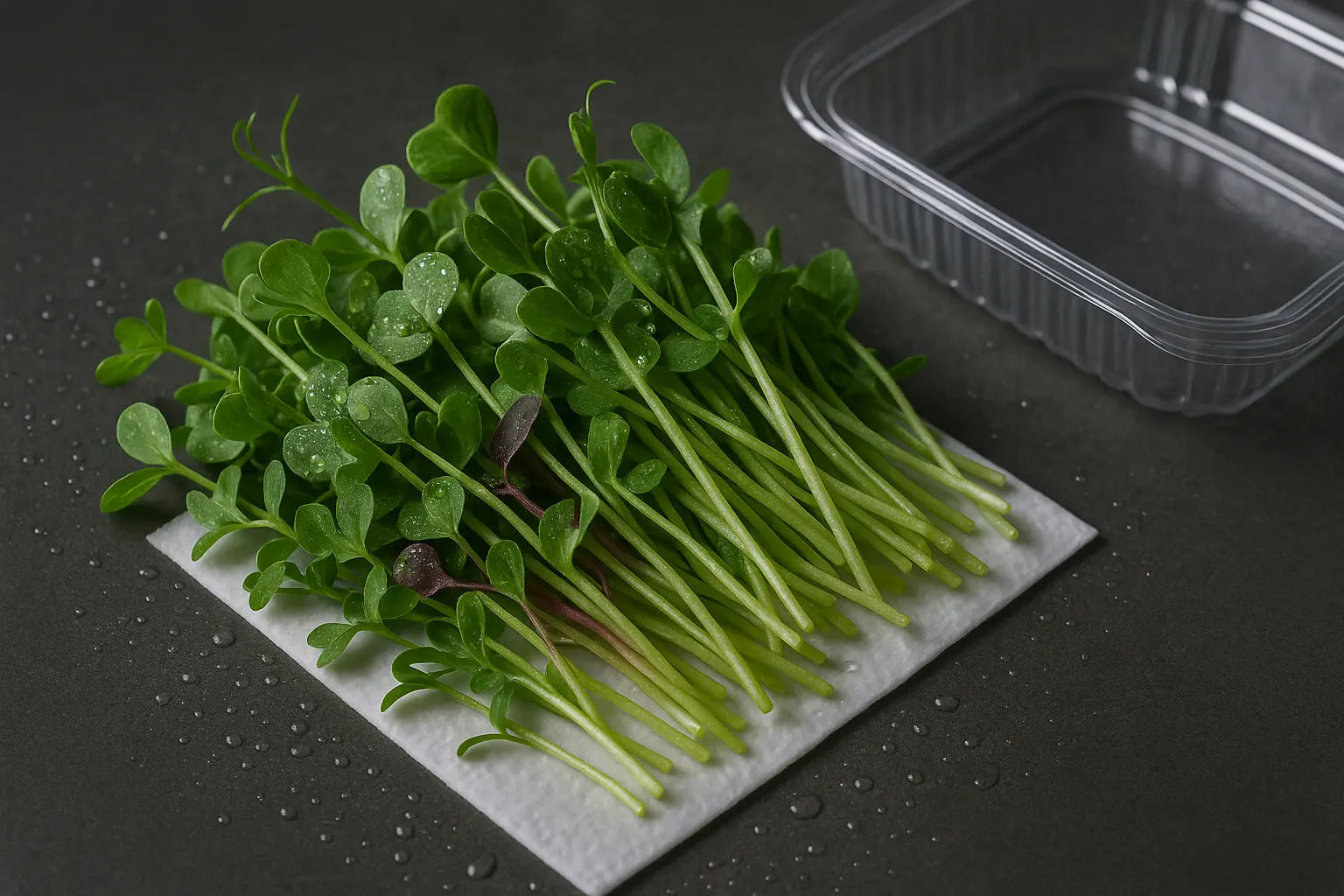
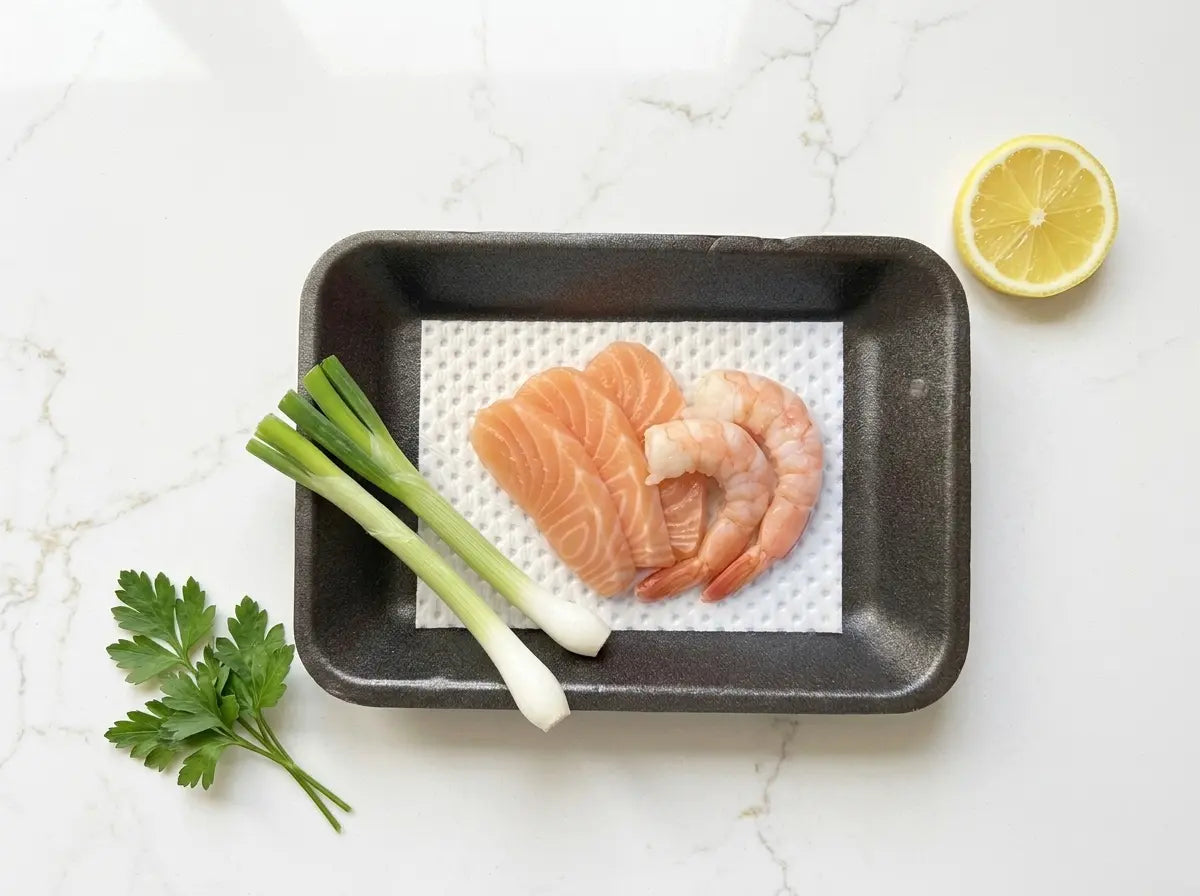
Companies like Hydra-Sorb have responded to this demand by developing fully eco-friendly moisture absorbent pads that are certified for use with organic produce. These advanced solutions utilize plant-based materials and biodegradable films that break down completely in commercial composting facilities, ensuring organic producers can maintain their certifications while protecting product quality.
Consumer Transparency: The Packaging Label Revolution
Today's consumers are scrutinizing every aspect of their food packaging. Market research from January 2026 reveals that 73% of millennial and Gen-Z shoppers actively seek information about packaging materials before purchase. The term "biodegradable moisture control" has seen a 340% increase in search volume over the past 12 months.
This transparency trend is forcing producers to communicate not just what's in their packaging, but why it matters. Brands that clearly articulate their moisture management approach—explaining how eco-friendly solutions reduce food waste while eliminating plastic pollution—are commanding 15-20% price premiums in competitive markets.
The messaging is shifting from "less bad" to "actively good." Consumers want to know that their packaging choices contribute to environmental solutions, not just minimize damage. Producers using certified eco-friendly moisture control systems can leverage this positioning to differentiate in crowded markets.
The Cold Chain Crisis: Why Moisture Control Matters More Than Ever
Supply chain disruptions continue to challenge the fresh produce industry in 2026. With transportation times increasing by an average of 18 hours for cross-country shipments, the window for maintaining produce quality has narrowed dramatically. Berries and microgreens, with their notoriously short shelf lives, are particularly vulnerable.
Advanced moisture absorbent technology has emerged as the critical buffer against these logistical challenges. Producers implementing high-performance moisture control systems report 45% fewer rejections at distribution centers and 60% reduction in customer complaints related to product quality upon delivery.
The key breakthrough: eco-friendly materials no longer mean compromised performance. Modern biodegradable moisture absorbent pads match or exceed the absorption capacity of traditional plastic-based alternatives, proving that sustainability and functionality can coexist.
The Direct-to-Consumer Boom: New Packaging Demands
The explosion of farm-to-door subscription services and online farmers markets is creating entirely new packaging requirements. Unlike traditional retail where produce moves quickly through controlled environments, direct-to-consumer shipments face variable conditions—sitting in delivery trucks, on doorsteps, and in home refrigerators with inconsistent temperatures.
This channel now represents 22% of specialty produce sales, up from just 8% in 2023. Successful DTC producers are investing in premium moisture control solutions that can handle temperature fluctuations and extended transit times, viewing packaging as a critical component of customer retention rather than just a cost center.
Importantly, DTC customers are the most environmentally conscious segment. They expect—and often demand—completely plastic-free packaging. Producers using eco-friendly moisture absorbent solutions like those from Hydra-Sorb can prominently feature their sustainable packaging choices in marketing materials, turning environmental responsibility into a competitive advantage.
Vertical Farming Integration: Precision Packaging for Precision Agriculture
The rapid expansion of vertical farming operations—projected to reach $24 billion globally by 2027—is creating sophisticated new demands for moisture management. These controlled-environment operations produce exceptionally consistent microgreens and berries, but that consistency must be maintained through packaging and distribution.
Vertical farms, often positioning themselves as the sustainable future of agriculture, face particular pressure to ensure their entire operation—including packaging—aligns with environmental values. Many are exclusively sourcing biodegradable moisture control solutions to maintain brand integrity and appeal to eco-conscious consumers.
The Carbon Accounting Movement: Packaging's Hidden Impact
Corporate sustainability commitments are driving a new focus on the carbon footprint of packaging materials. Major retailers are now requiring suppliers to provide detailed carbon accounting for all packaging components, including moisture absorbent materials.
The difference is stark: traditional petroleum-based moisture pads carry a carbon footprint 4-6 times higher than plant-based biodegradable alternatives. When scaled across millions of packages annually, this represents significant emissions reductions that help retailers meet their climate commitments.
This scrutiny is accelerating the shift toward plant-based absorbent technologies. Early adopters of carbon-neutral moisture control solutions are gaining preferential treatment in supplier negotiations, with some retailers offering extended payment terms and promotional support for verified low-carbon packaging systems.
Hydra-Sorb's eco-friendly pads, manufactured using renewable plant-based materials, enable producers to dramatically reduce their packaging carbon footprint while maintaining the moisture control performance essential for product quality.
Price Volatility and Strategic Sourcing
Raw material costs for packaging components have fluctuated wildly in 2025-2026, with petroleum-based polymer materials seeing 40% price swings tied to oil market volatility. In contrast, plant-based materials have shown greater price stability, making eco-friendly solutions increasingly attractive from a pure cost perspective.
Smart producers are moving away from spot purchasing toward strategic partnerships with moisture control suppliers who can provide price stability and supply guarantees. This shift toward partnership-based sourcing is creating a more collaborative industry dynamic, with packaging suppliers and produce growers working together on innovation rather than operating in traditional vendor-customer relationships.
Looking Ahead: Preparing for 2027 and Beyond
The moisture absorbent pad market is entering a period of rapid maturation, with sustainability emerging as the defining competitive factor. Producers who view eco-friendly moisture control as a strategic differentiator rather than a compliance burden are positioning themselves for long-term success. Key actions for forward-thinking operations include:
- Transitioning to 100% biodegradable moisture control solutions to meet emerging retailer requirements
- Conducting comprehensive packaging audits to identify opportunities for plastic elimination
- Establishing relationships with innovative eco-friendly moisture control providers like Hydra-Sorb
- Developing clear communication strategies to articulate environmental benefits to customers
- Investing in staff training on proper moisture management protocols with sustainable materials
- Monitoring regulatory developments around single-use plastics and proactively adapting
- Calculating and publicizing carbon footprint reductions from sustainable packaging choices
The produce industry's relationship with moisture control technology is evolving from transactional to transformational. The winners in this new era will be those who recognize that environmental responsibility and business success are no longer competing priorities—they're inseparable elements of a sustainable future.

Leave a comment
This site is protected by hCaptcha and the hCaptcha Privacy Policy and Terms of Service apply.